Phone:
(701)814-6992
Physical address:
6296 Donnelly Plaza
Ratkeville, Bahamas.

Phone:
(701)814-6992
Physical address:
6296 Donnelly Plaza
Ratkeville, Bahamas.
Let’s be honest, breaking free from addiction can feel like trying to climb a mountain in flip-flops. It’s a tough, relentless journey, and sometimes traditional paths don’t lead where you need them to. If you’ve ever felt stuck in that cycle, you know that hope can come from unexpected places. Right now, one of the most talked-about sources of that hope is growing right out of the ground.
We’re talking about magic mushrooms. The same fungi once associated purely with psychedelic counterculture are now at the forefront of serious scientific research for addiction treatment. Can psilocybin really help unwire the brain from addictive patterns? Let’s get into what the science says and how modern products like Magic Mushroom Gummies are changing the conversation.
For decades, the standard approach to addiction has centered on therapy, support groups, and medications that manage cravings. These methods are lifesavers for many, but they don’t work for everyone. This treatment gap has pushed researchers to look for alternatives that address the root of addiction: the brain’s rigid, compulsive thought patterns.
This is where psilocybin, the active compound in magic mushrooms, comes in. Instead of just managing symptoms, psilocybin seems to go deeper. It helps create a “psychological reset,” offering a new perspective that can be powerful enough to disrupt the chains of addiction.
So, what’s actually happening in your head? Addiction creates deep, well-worn grooves in your brain. These are neural pathways that scream “I need this now!” and make it incredibly difficult to think about anything else. It’s like your brain is stuck on a single, destructive radio station.
Psilocybin acts like a master DJ who temporarily hijacks the station. It interacts with your brain’s serotonin receptors, particularly the 5-HT2A receptor. This does two amazing things:
Studies from leading institutions like Johns Hopkins and NYU have shown incredible results. In one study, psilocybin therapy helped a significant number of long-term smokers quit, with a high success rate even a year later. Similar promising results are being seen for alcohol and other substance dependencies.
The idea of using mushrooms for recovery can be intimidating. Nobody wants to have a “bad trip” when they’re already in a vulnerable state. This is why the form and dose are so important. The market has evolved to make the experience more predictable and approachable.
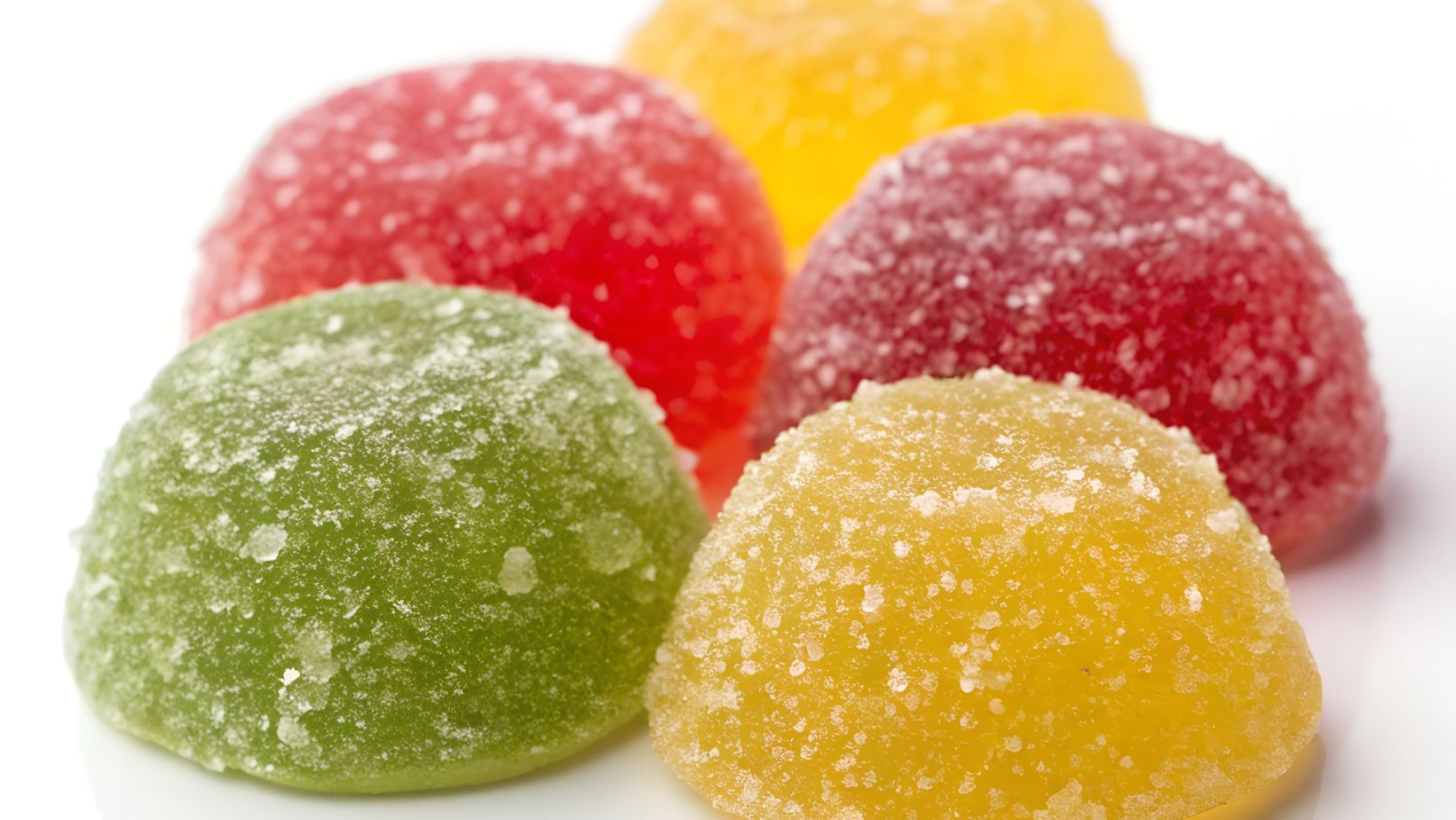
Gummies are a game-changer here. They provide a precise, measured dose, taking the guesswork out of the equation. This allows you to start low and go slow, which is crucial for therapeutic use. You can find a dose that opens you up to new insights without feeling completely overwhelmed.
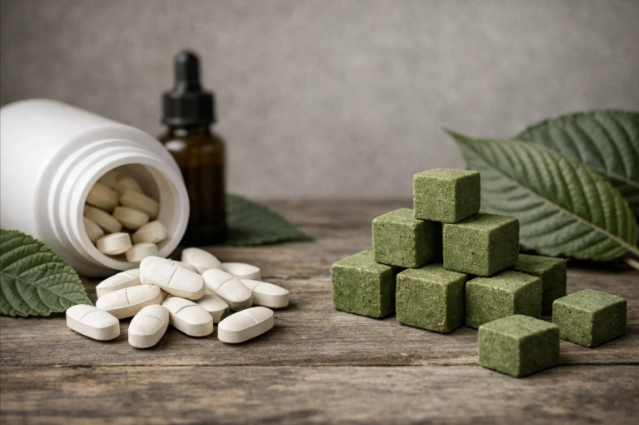
Similarly, Mushroom Bars offer another user-friendly option. They mask the often-unpleasant taste of dried mushrooms and provide a consistent dose in each square. It makes the experience feel less like a clinical experiment and more like a gentle, intentional act of self-care.
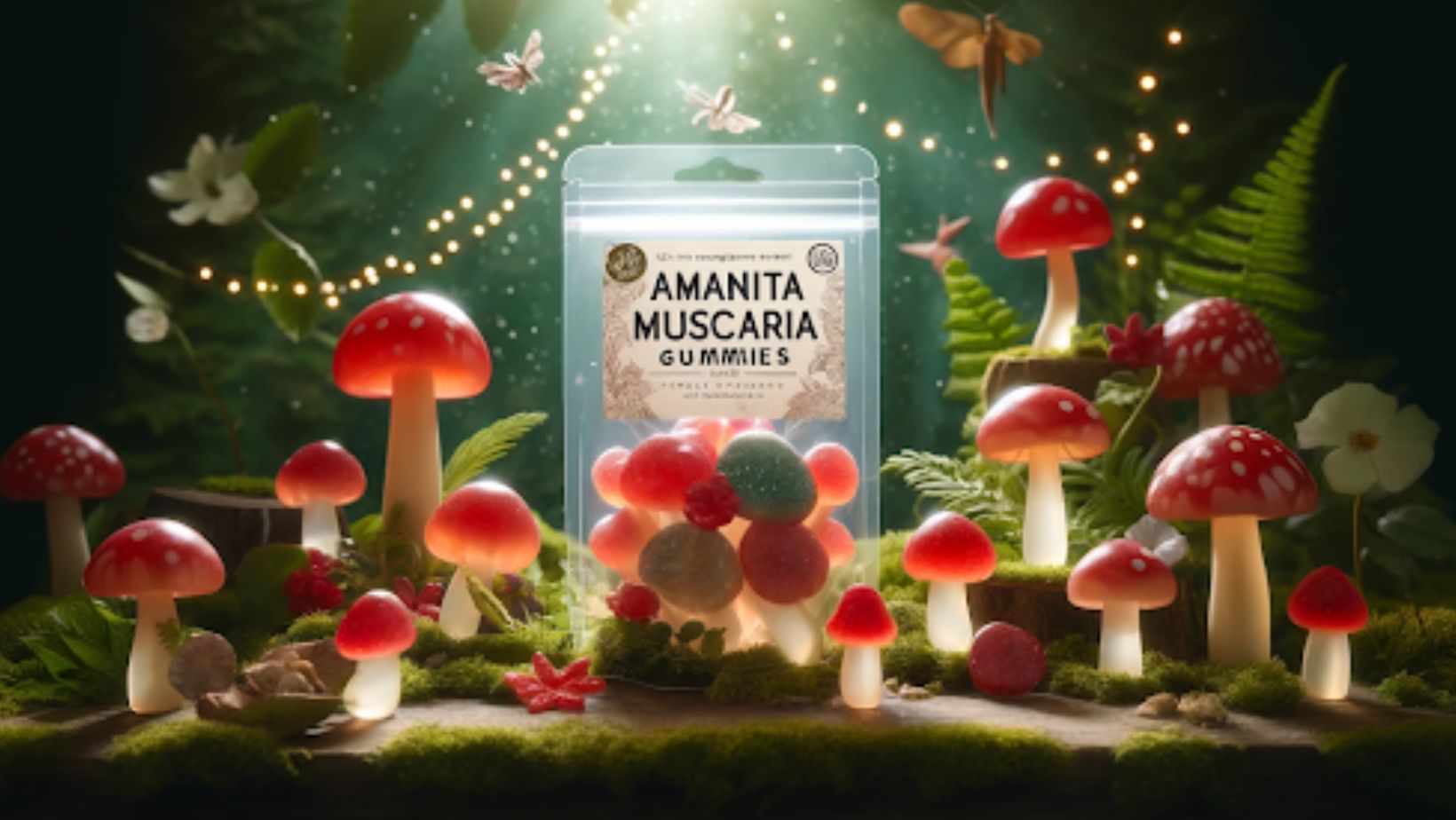
As you explore, you might also come across Amanita Muscaria Mushroom Gummies. It’s important to know these are not the same as psilocybin products. The iconic red-and-white toadstool contains muscimol, not psilocybin.
Muscimol works on the brain’s GABA system, which is responsible for promoting calm and relaxation. While some find it helpful for managing the anxiety that can accompany withdrawal, it doesn’t create the same “brain reset” or profound insights associated with psilocybin. Think of it more as a tool for relaxation rather than a tool for radical perspective shifts.
Psilocybin isn’t a silver bullet. It’s a powerful catalyst for change, not a cure-all. In clinical trials, the psychedelic experience is paired with intensive therapy to help integrate the insights gained. The “trip” opens the door, but you still have to walk through it.
Here are a few things to consider:
Addiction can make you feel like you’ve run out of options. The re-emergence of psilocybin research offers a new, science-backed path forward. By disrupting rigid brain patterns and fostering a sense of connection, magic mushrooms provide a unique opportunity to break free from old habits.
Whether it’s through guided clinical therapy or carefully dosed products like Mushroom Chocolate Bars, people are finding a powerful ally in the most natural of places. The journey of recovery is deeply personal, and sometimes, it just takes a little bit of magic to find your way.